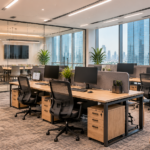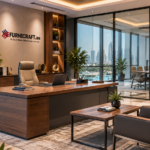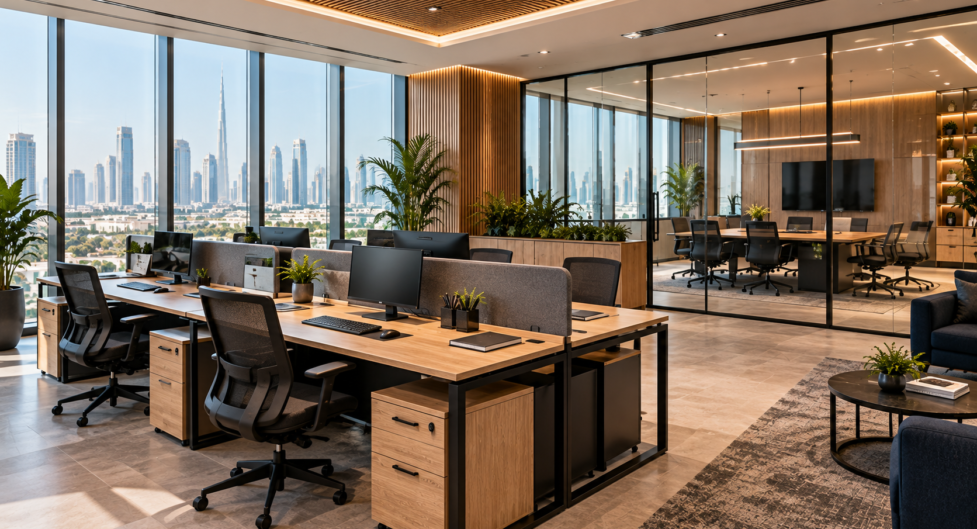

Office Aesthetics in Dubai are about creating workplaces that look professional, feel comfortable, and support the way people work. A successful office combines thoughtfully selected furniture, balanced colours, appropriate lighting, efficient storage, and a layout that reflects the company’s identity. Expensive furniture alone cannot achieve this result. Every element must work together.
Whether you are planning a corporate headquarters, upgrading a startup office, or refreshing an executive workspace, the right design choices can make the environment feel more welcoming and organised. Modern office workstations, ergonomic seating, meeting tables, and reception furniture each influence how the office looks and functions.
At Furnicraft, businesses can explore office furniture solutions for Dubai workplaces, including executive desks, workstations, office chairs, meeting tables, reception desks, and storage cabinets. This guide shares 12 practical design ideas to help you improve your office’s appearance without sacrificing everyday usability.
What Makes an Office Look Professionally Designed?
A professionally designed office has a clear visual identity, appropriately sized furniture, coordinated materials, uncluttered surfaces, balanced lighting, and enough space for people to move comfortably. Its furniture should suit the activities taking place in each area. Reception spaces should welcome visitors, desks should support focused work, and meeting rooms should encourage comfortable discussions.
The easiest starting point is to choose one consistent design direction, improve the most visible furniture pieces, introduce practical storage, and check lighting before making expensive changes. Businesses planning a broader upgrade can use Furnicraft’s complete office furniture guide as a starting resource.
Summary
Office Aesthetics in Dubai involve much more than choosing attractive desks and chairs. A well-designed workspace balances visual appeal with functionality, comfort, accessibility, durability, and brand identity.
The 12 ideas in this guide focus on minimalist layouts, coordinated furniture, colour planning, ergonomic seating, natural materials, better lighting, reception design, meeting rooms, hidden storage, flexible workstations, comfortable breakout spaces, and consistent finishing details.
Instead of changing everything at once, businesses can prioritise areas that employees and visitors use most frequently. Combining flexible furniture with practical office storage and carefully selected finishes can create a more cohesive interior without unnecessary purchases.
What Are Office Aesthetics?
Office aesthetics refers to the visual character and overall appearance of a workplace. It includes furniture style, colours, materials, lighting, interior finishes, spatial arrangement, decoration, and the way different areas connect.
Office aesthetics is closely related to interior design, but the two are not identical. Interior design addresses a wider range of spatial and functional considerations. Aesthetics focuses primarily on how those choices contribute to the experience and appearance of the space.
For example, an executive office can include a premium executive desk, coordinated visitor chairs, concealed storage, and restrained lighting. A team area might use modular desks, breathable seating, and neutral surfaces. The two areas can look different while still belonging to one coordinated office.
Good workspace design should be judged by its real-world performance, not only its appearance in photographs.
Why Office Aesthetics Matter for Dubai Businesses
An office communicates important information about the organisation using it. Clients see the entrance, reception counter, meeting space, and furniture condition. Employees experience the layout, storage, seating, and general atmosphere throughout the working day.
Professional first impressions
A clean entrance, clear reception desk, comfortable seating, and consistent finishes can help visitors understand the space and feel welcomed. For practical examples, explore reception area furniture planning and the reception desk design guide.
Employee comfort and practical workflow
Furniture selection contributes to the everyday experience of the workplace. Appropriately adjusted chairs, spacious desks, and uncluttered work areas can make routine tasks easier. Read how furniture affects office productivity for additional context.
Brand recognition and consistency
A company’s office should reinforce its identity. Corporate offices may use understated materials, while creative businesses might prefer warmer colours or carefully placed visual accents. The key is consistency rather than copying every trend.
Long-term design value
Furniture selected for durability and flexibility can remain useful as workplace requirements change. Businesses can combine design planning with scalable furniture solutions to reduce unnecessary future replacements.
12 Sleek Furniture Design Ideas to Elevate Office Aesthetics in Dubai
1. Start with a Clean, Minimalist Furniture Layout
Minimalist design is one of the easiest ways to create a sleek office appearance. It favours intentional furniture placement, simple lines, uncluttered surfaces, and sufficient open space.
Minimalism does not require an empty office. It means selecting furniture that has a clear purpose. A properly sized office desk, comfortable chair, and accessible cabinet may create a more useful workspace than several decorative pieces.
For example, a small corporate office might use white desks with oak-style finishes, dark ergonomic chairs, and a matching cabinet system. Keeping floor space clear can make the room feel more balanced without changing its actual dimensions.
When planning a minimalist workspace:
- Remove furniture that is no longer needed.
- Keep work surfaces largely free of unnecessary items.
- Use a limited selection of compatible furniture finishes.
- Choose storage that accommodates everyday supplies.
- Leave comfortable walking and chair-movement space.
- Avoid placing decorative furniture in important circulation routes.
For further inspiration, read minimalism and better workplace focus and office space optimisation ideas.
2. Choose a Consistent Furniture Design Language
Consistency is essential when improving office aesthetics. Desks, tables, cabinets, and seating do not need identical designs, but they should share related shapes, proportions, materials, or finishes.
A simple furniture concept might combine walnut-style surfaces, black metal frames, charcoal upholstery, and warm neutral walls. An alternative might use light wood, white workstations, soft grey chairs, and subtle brand colours.
Start with the larger items, such as team workstations, executive desks, and conference tables. These establish the main visual direction. Smaller furniture pieces can then be selected to complement them.
For premium corporate spaces, the luxury office furniture series guide provides additional ideas for coordinating furniture across executive, meeting, and reception areas.
3. Use a Balanced Colour Palette
Colour coordination helps office furniture feel intentional. Rather than using many unrelated shades, begin with a neutral foundation and introduce selected accents that represent your brand.
Consider these practical palette combinations:
- Light oak, white, and grey for a bright modern office.
- Walnut, charcoal, and muted beige for an executive environment.
- White, black, and selective brand colours for a contemporary company.
- Natural wood, warm neutrals, and greenery for a welcoming interior.
Keep major surfaces such as desks, cabinets, and workstations relatively consistent. Accent colours can appear through seating upholstery, partitions, artwork, or decorative accessories.
For example, a business using blue in its identity can add subtle blue seating or privacy screens without turning every table and cabinet blue. A modular furniture system can help maintain a coordinated appearance across multiple work zones.
Colour selection should also be checked under the office’s actual lighting conditions, because samples may appear different under natural and artificial light.
4. Select Ergonomic Chairs with a Modern Appearance
Attractive office seating must also meet the needs of the people using it. An elegant chair that lacks suitable support or adjustment may look good in a photograph but perform poorly during everyday desk work.
Modern office chairs can offer clean profiles alongside adjustable height, appropriate lumbar support, stable construction, and comfortable seat dimensions.
Breathable mesh chairs are particularly suitable for contemporary workstations where a visually lighter appearance is preferred. Executive spaces may use larger upholstered chairs, provided their proportions remain appropriate for the room.
Consider these features when selecting seating:
- Adjustable seat height and suitable seat depth
- Appropriate lower-back support
- Comfortable armrest positioning
- Stable base and suitable mobility
- Durable, practical upholstery
- Visual compatibility with desks and surrounding furniture
For detailed selection guidance, review choosing ergonomic office furniture, essential office chair features, and ergonomic seating solutions.
5. Introduce Natural-Looking Materials and Finishes
Material choice has a major influence on how furniture feels and appears. Wood tones can create warmth, matte metal frames can contribute structure, and upholstered seating can soften a room dominated by desks and glass partitions.
However, a premium appearance should not depend on glossy finishes alone. Highly reflective surfaces can be harder to maintain and may introduce distracting glare.
Suitable materials include:
- Natural-looking wood and wood veneers
- Durable furniture laminates
- Powder-coated metal frames
- Textured fabric upholstery
- Breathable seating mesh
- Selected glass and stone-inspired accents
A manager desk with an understated wood finish may complement a minimalist executive office. Coordinated storage cabinets can repeat the same material without introducing unnecessary contrast.
Before purchasing, compare durability, edge quality, cleaning requirements, warranty conditions, and the expected amount of daily use. Read the benefits of investing in quality office furniture for related buying considerations.
6. Use Natural Light and Reduce Screen Glare
Lighting has a significant influence on office aesthetics. It changes the appearance of furniture colours, materials, textures, and surrounding architectural features. Poor lighting may make a well-furnished office feel uncomfortable or visually unbalanced.
Natural daylight can help make interiors feel open, but placing desks directly opposite bright windows may create glare. Workstations should be positioned with attention to screen direction, window brightness, and available shading.
The OSHA workstation environment guidance recommends reducing glare from windows and lights, using suitable task lighting, and arranging computer workstations to avoid uncomfortable reflections.
When planning workplace lighting:
- Position screens to reduce reflections from windows.
- Use blinds or shades where necessary.
- Combine general illumination with suitable task lighting.
- Avoid excessive contrast between dark areas and bright screens.
- Consider matte furniture finishes to reduce distracting reflections.
- Test lighting at desks, reception counters, and meeting tables.
For client-facing areas, explore reception lighting design ideas. Lighting should complement the furniture rather than compete with it.
7. Create an Elegant and Welcoming Reception Area
The reception area is one of the most important visual touchpoints in a corporate office. Visitors often see the reception desk, waiting chairs, coffee table, lighting, and brand signage before entering any other room.
An effective reception desk should look professional, provide practical working space for staff, and fit the room without obstructing visitors.
A complete reception design can include:
- A correctly proportioned reception counter
- Comfortable visitor seating
- A small coffee table
- Appropriate storage
- Clear, readable signage
- Balanced architectural lighting
- Selected plants or decorative elements
Businesses can pair the desk with office sofas and coffee tables. The finishes should be coordinated rather than selected as unrelated individual pieces.
For more detailed planning, see the reception desk guide, reception furniture ideas, and tips for improving a reception area.
8. Design Meeting Rooms That Look and Work Professionally
Meeting rooms should feel organised, comfortable, and appropriate for the discussions taking place. Their appearance contributes to office aesthetics, but table size, seating, technology, and movement space are just as important.
A modern meeting table can become the centrepiece of the room. Choose a table shape that suits both the available floor area and the way meetings are conducted.
Rectangular tables often work well for formal discussions. Round tables may suit smaller collaborative meetings. Oval designs can introduce softer lines, while flexible tables may be useful for rooms with different activities.
Combine the table with suitable chairs, clear screen visibility, accessible power, and coordinated storage. Avoid selecting a table so large that participants cannot move comfortably around it.
Additional resources include meeting table buying ideas, conference room layout guidance, and meeting table quality considerations.
9. Use Hidden Storage and Smart Cable Management
Visible clutter can make even premium furniture appear disorganised. Exposed wires, overflowing files, unused devices, and crowded desktops weaken the visual consistency of a workspace.
The solution is to plan storage around the way employees work. Frequently used materials should remain accessible, while items needed less often can be stored in shared cabinets or filing units.
Use office storage cabinets for shared supplies and filing systems for documents. Select workstations with practical cable routing where possible.
For desks and meeting tables, consider power access before installation. Hidden cable channels, suitable desk accessories, and appropriately planned device positions can preserve a cleaner appearance.
For related design advice, see creating a clutter-free office and desk connectivity options.
10. Choose Modular Workstations for Flexible Office Layouts
Modular furniture can help growing businesses maintain a coordinated office appearance while adapting to new requirements. Workstations may need to accommodate additional employees, new departments, changing work styles, or different levels of privacy.
A well-designed office workstation system can provide consistent surfaces, privacy panels, cable management, and storage options.
For example, a growing team may begin with a compact workstation cluster and later extend it using compatible components, subject to the furniture system’s design and availability.
When planning flexible furniture, consider:
- Desk dimensions and available floor area
- Chair movement and employee comfort
- Privacy requirements
- Modular component compatibility
- Electrical and network access
- Storage needs
- Potential future changes
Explore modular office furniture, open versus private workstations, and scalable office furniture for growing teams before finalising the layout.
11. Add Comfortable Collaborative and Breakout Areas
Not every conversation needs a formal meeting room. Collaborative and breakout spaces can provide a more relaxed environment for short discussions, brainstorming, informal meetings, and work breaks.
These areas may use comfortable chairs, compact tables, soft seating, and practical lighting. The furniture should reflect the wider office design while offering a different atmosphere from individual workstations.
Consider collaborative furniture, sofa seating, and coffee tables for informal spaces.
Breakout areas should not interrupt quieter work zones. In open offices, furniture positioning and acoustic separation may help reduce disturbance. Businesses that require private calls can also consider suitable silent box solutions.
The goal is to create useful alternatives to traditional desks, not additional decorative spaces that nobody uses.
12. Finish with Subtle Branding and Natural Details
Final details bring an office’s visual character together. Plants, artwork, brand signage, textured fabrics, and selected accessories can help a space feel complete.
However, decoration should remain secondary to the furniture plan. A reception wall with a clear brand logo may be more effective than several competing decorative elements. A few plants can introduce visual softness without crowding desks or walkways.
Keep signage proportions appropriate and select materials that fit the overall design. A luxury office may use understated metal details and warm wood, while a modern technology business may prefer lighter surfaces and minimal graphics.
For premium inspiration, review luxury workspace ideas, corporate luxury furniture design, and modern workspace design ideas.
Office Furniture Recommendations for Different Workspace Styles
Office Aesthetics in Dubai should be adapted to the type of business and the daily activities taking place. The same furniture style will not suit every workplace.
| Workspace Style | Recommended Furniture | Design Priority |
|---|---|---|
| Modern Corporate Office | Coordinated workstations, ergonomic chairs, meeting tables, storage | Professional consistency and daily function |
| Luxury Executive Office | Premium executive desk, high-back chair, guest seating, cabinetry | Refined materials and appropriate proportions |
| Startup Workspace | Modular desks, mesh chairs, flexible tables, compact storage | Adaptability and space efficiency |
| Client-Facing Office | Reception desk, waiting sofas, coffee table, meeting furniture | Comfortable visitor experience |
| Creative Agency | Collaborative seating, flexible desks, brand accents, storage | Personality without visual clutter |
| Small Office | Compact desks, ergonomic chairs, vertical storage, modest meeting table | Efficient circulation and organisation |
Small teams can explore small office setup ideas, while corporate projects may benefit from office furniture design inspiration and space optimisation guidance.
Comparing Popular Office Aesthetic Styles
There is no single best office design style. Each approach has different strengths, and businesses should choose based on brand identity, available space, work activities, and long-term preferences.
| Design Style | Main Characteristics | Recommended Furniture | Best Fit |
|---|---|---|---|
| Minimalist | Simple forms, neutral tones, reduced clutter | Sleek desks, mesh chairs, concealed storage | Focus-oriented and compact offices |
| Modern Corporate | Coordinated finishes, clean layouts, practical technology | Workstations, meeting tables, ergonomic seating | Professional corporate teams |
| Luxury Executive | Premium finishes, warm materials, refined detailing | Executive desks, upholstered seating, statement reception counters | Leadership and high-end client-facing spaces |
| Natural Contemporary | Wood tones, greenery, soft textures, balanced light | Wood-finish desks, fabric seating, understated storage | Welcoming, comfortable workplaces |
| Flexible Modern | Adaptable layouts, coordinated modular components | Modular workstations, movable tables, collaborative seating | Startups and growing departments |
Businesses comparing design styles should also consider sustainable furniture choices and future office furniture requirements.
How to Improve Office Aesthetics on a Practical Budget
Not every workplace needs a complete furniture replacement. A carefully planned refresh can improve visual consistency while retaining furniture that remains useful.
Step 1: Audit the existing office
Identify furniture that is worn, uncomfortable, mismatched, oversized, or no longer useful. Keep pieces that suit the intended design and function.
Step 2: Prioritise visible and heavily used areas
Start with seating, desk organisation, reception, and meeting spaces. These areas influence everyday work and the visitor experience.
Step 3: Choose complementary finishes
Instead of replacing every cabinet or desk, look for new furniture that coordinates with existing materials and colours.
Step 4: Improve lighting and storage
Appropriate lighting, cable management, and organised storage can make a meaningful difference without changing the complete layout.
Step 5: Plan future purchases
Document selected furniture models, finishes, and dimensions. This helps the office maintain a coordinated design as the business grows.
For additional planning, read office furniture budgeting tips, workspace clutter reduction, and long-term furniture quality considerations.
Common Mistakes That Weaken Office Aesthetics
Buying furniture solely for appearance
Furniture should meet practical requirements for comfort, size, storage, and daily use. Attractive pieces that do not function properly can become frustrating.
Using too many unrelated finishes
Mixing several wood colours, metal finishes, upholstery styles, and decorative patterns can create an inconsistent appearance. Keep the main palette limited.
Ignoring furniture proportions
An oversized desk or meeting table may dominate the room and restrict movement. Measure available space before purchasing.
Overlooking ergonomic needs
Sleek chairs should still provide suitable support and adjustment. Explore ergonomic office furniture guidance when planning everyday seating.
Leaving clutter visible
Plan adequate storage cabinets, filing units, and cable routes to protect the office’s clean appearance.
Ignoring the effects of lighting
Lighting changes how furniture looks and may create uncomfortable reflections. Check conditions at workstations and meeting tables.
Forgetting future changes
A completely fixed layout can become difficult to adapt. Consider modular furniture where flexibility is important.
Designing only the reception area
A premium entrance cannot compensate for neglected employee workspaces. Design quality should remain reasonably consistent throughout the office.
Review common office furniture buying mistakes for further purchasing considerations.
Expert Recommendations for a More Cohesive Workspace
Improving Office Aesthetics in Dubai is easier when design decisions follow a clear sequence instead of being made individually.
Define the workplace identity
Decide whether the space should feel formal, contemporary, creative, luxurious, welcoming, or understated. Keep this direction consistent.
Plan movement before furniture placement
Ensure desks, chairs, cabinets, and meeting tables do not obstruct normal circulation. See office movement and furniture layout guidance.
Invest in frequently used furniture
Prioritise supportive seating, practical desks, appropriate meeting furniture, and reliable storage before decorative additions.
Coordinate across departments
Use compatible finishes across executive rooms, workstations, and client-facing areas. The office should feel connected even when individual rooms have different functions.
Test materials and lighting together
Review finishes under actual workplace lighting and check reflections on screens, tabletops, and cabinets.
Build around flexibility
Choose layouts and furniture systems that can support changes in team size or work patterns. For more detail, review furniture solutions for growing teams.
Review the completed workspace
After installation, check chair movement, storage access, meeting room comfort, visitor circulation, lighting, and visual consistency. Make practical adjustments where necessary.
Future Directions in Dubai Office Aesthetics
For businesses planning future office improvements, several design directions are particularly relevant. These should be treated as practical options rather than universal requirements.
Warm minimalist interiors
Light wood, comfortable fabrics, matte finishes, and restrained colours can create welcoming offices without visual excess.
Flexible workspace furniture
Adaptable workstations and collaborative seating can support changing team requirements. See modular workplace planning.
Technology-ready furniture
Desks and meeting tables with suitable cable management can maintain clean surfaces while supporting everyday technology.
Ergonomic contemporary design
Modern office chairs and height-adjustable desks can combine comfort with a coordinated appearance.
Natural materials and greenery
Wood finishes, textured seating, and appropriately placed indoor plants can introduce warmth without requiring complicated decoration.
Durability and adaptable furniture
Long-lasting designs and compatible modular components can make office upgrades easier to manage over time.
For more inspiration, explore recent office furniture innovations, the future of modern office furniture, and future-ready furniture planning.
Related Furnicraft Resources
The following guides and furniture categories can help businesses turn their design plans into suitable product selections.
Office Furniture and Design Guides
- Complete Guide to Office Furniture in Dubai
- Luxury Office Furniture Series
- Modular Office Furniture Guide
- Ergonomic Furniture Guide
- Minimalism and Workplace Focus
- Luxury Office Ideas
- Office Space Optimisation
- Sustainable Office Furniture Choices
Furniture Categories
- Office Workstations
- Office Chairs
- Mesh Chairs
- Executive Desks
- Manager Desks
- Height-Adjustable Desks
- Meeting Tables
- Reception Desks
- Office Storage Cabinets
- Office Sofas
- Coffee Tables
- Collaborative Furniture
Key Takeaways
- Office Aesthetics in Dubai should balance visual appeal, comfort, practicality, and brand consistency.
- Sleek furniture can help create professional interiors when combined with a well-planned layout.
- Minimalist design works best when it removes unnecessary visual clutter without reducing functionality.
- Coordinated colours and finishes help different office areas feel connected.
- Ergonomic chairs and properly sized desks should remain a priority.
- Natural-looking materials, comfortable upholstery, and restrained details can improve visual warmth.
- Lighting should support furniture appearance and minimise distracting screen glare.
- Reception areas and meeting rooms deserve special attention because visitors frequently use them.
- Hidden storage and cable management help preserve a cleaner office appearance.
- Modular furniture can support growing teams and changing workplace requirements.
- Furniture should be selected according to real workspace needs, not appearance alone.
- Furnicraft offers furniture categories and supporting guides for businesses planning modern Dubai office environments.
Conclusion
Improving Office Aesthetics in Dubai does not require filling a workspace with expensive or decorative furniture. The most effective approach combines thoughtful layouts, coordinated colours, functional desks, ergonomic chairs, practical storage, well-designed reception areas, and comfortable meeting spaces.
Start with the needs of employees and visitors. Choose a consistent design direction, measure the available space, plan lighting and storage, and select furniture that supports everyday tasks. Sleek office interiors should feel natural and useful rather than staged or overcrowded.
For businesses planning an office refresh or complete workspace upgrade, Furnicraft provides access to office workstations, office chairs, meeting tables, reception desks, and complementary workspace furniture. Explore the available categories or use the contact page to discuss your office requirements.
Frequently Asked Questions
What are office aesthetics?
Office aesthetics refers to the visual appearance and design character of a workplace, including its furniture, colour palette, materials, lighting, layout, and decorative details.
How can I improve office aesthetics in Dubai?
Improve Office Aesthetics in Dubai by choosing coordinated furniture, reducing clutter, using an appropriate colour palette, improving lighting, planning practical storage, and ensuring that workstations and meeting areas feel comfortable.
What furniture creates a modern office aesthetic?
Modern office aesthetics can be supported by sleek desks, ergonomic mesh chairs, modular workstations, minimalist storage cabinets, contemporary meeting tables, and coordinated reception furniture.
Which colours work best for professional office interiors?
Neutral shades such as white, grey, beige, charcoal, and natural wood tones can provide a flexible foundation. Businesses can introduce restrained accent colours to reflect their identity.
Can a small office look premium without expensive furniture?
Yes. A small office can feel refined with appropriately sized desks, coordinated furniture, clear walking paths, good lighting, organised storage, and a consistent material palette.
How do ergonomic chairs affect office design?
Ergonomic chairs can provide comfort and adjustment while supporting a modern appearance. Chair size, material, colour, and design should suit the desks and the overall workspace.
Is minimalist office furniture suitable for corporate businesses?
Yes. Minimalist furniture can work well in corporate environments when it provides practical functionality, appropriate seating, sufficient storage, and a professional appearance.
What is the best way to coordinate reception and meeting room furniture?
Use related materials, colours, shapes, and finishes across both areas. Reception and meeting room furniture can have different functions while sharing a consistent design style.
Where can I explore sleek office furniture for Dubai workspaces?
Businesses can explore Furnicraft for office chairs, workstations, executive desks, meeting tables, reception furniture, and storage solutions suitable for modern office environments.
Follow Furnicraft for More Workspace Ideas
Stay inspired with real-life setups, workspace tips, and the latest product drops: