
Mar
What Should You Consider When Choosing a Table for Conference Meetings?
 admin
admin
- 0
- 13 min read

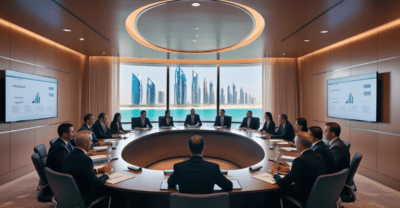
What Should You Consider When Choosing a Table for Conference Meetings? A conference table is more than just a piece of furniture; it serves as the centerpiece of a professional meeting space, where important decisions are made, ideas are shared, and collaborations take place. The right table enhances communication, ensures participant comfort, and creates a structured environment that fosters productivity. When selecting a meeting table in Dubai, businesses must consider various factors such as room size, seating capacity, table shape, material, and technology integration. A well-designed conference table not only complements the office aesthetics but also improves efficiency by providing a functional and organized workspace. This guide explores the essential elements to consider when investing in modern office furniture in Dubai, helping you choose a table that aligns with your business needs and enhances team engagement. 1. Conference Room Size and Layout The size and layout of your conference room determine the type and size of the table you need. An oversized table can make the room feel cramped, while a small table may not efficiently accommodate all participants. Small rooms (up to 10 people) – Best suited for round or oval tables to promote inclusivity. Medium rooms (10-20 people) – Rectangular or oval tables provide a structured yet engaging seating arrangement. Large rooms (20+ people) – U-shaped or boardroom-style tables enhance visibility and encourage effective discussions. A well-planned layout ensures an optimal balance between seating capacity and space utilization. 2. Choosing the Right Table Shape The shape of a meeting table significantly influences the dynamics of discussion and leadership positioning. Round tables – Encourage teamwork and equal participation, ideal for brainstorming and informal meetings. Rectangular tables – Provide a structured setting, making them perfect for formal board meetings. Oval tables offer a balance between hierarchy and collaboration and are suitable for strategic discussions. U-shaped tables – Designed for interactive meetings, training sessions, and presentations. Selecting the right table shape ensures effective engagement and enhances workflow during meetings. 3. Seating Arrangement and Comfort An efficient seating arrangement improves team productivity by ensuring a comfortable and well-organized meeting space. Ensure ample legroom – Prevents discomfort and enhances focus. Proper chair spacing – Avoids overcrowding and allows free movement. Match the number of chairs with table size – Ensures all participants have a designated space without feeling cramped. For businesses investing in best office furniture in Dubai, a well-structured seating arrangement helps maintain engagement during discussions. 4. Material and Durability The choice of material determines the longevity, maintenance, and aesthetic appeal of a conference table. Wooden tables – Classic and professional, ideal for executive boardrooms. Glass tables – Modern and stylish, perfect for contemporary office spaces. Metal tables – Sturdy and durable, great for high-traffic areas. Selecting high-quality materials ensures durability and maintains the professional look of your conference room. 5. Technology Integration and Connectivity A modern meeting table in Dubai should support the latest technology to enhance communication and efficiency. Built-in power outlets – Allow users to charge laptops and mobile devices conveniently. USB ports – Provide additional connectivity options for electronic devices. Cable management systems – Keep the workspace clutter-free. Connectivity boxes – Facilitate video conferencing and digital presentations. These features improve productivity and make meetings more interactive and seamless. 6. Aesthetic and Design Compatibility The conference table should complement your office décor and reflect your company’s brand identity. Traditional offices – Prefer wooden or dark-finish tables for a formal setting. Modern workspaces – Opt for glass, metal, or mixed-material tables for a sleek, minimalist look. Flexible offices – Require modular tables that can adapt to various meeting styles. A well-designed conference table enhances the overall ambiance of the workspace and leaves a lasting impression on clients and employees. 7. Flexibility and Customization Options For businesses with multi-functional meeting spaces, adaptable furniture solutions provide greater efficiency. Foldable tables – Ideal for small or temporary meeting spaces. Extendable tables – Allow flexible seating arrangements. Custom-built tables – Tailored to fit specific office requirements. Investing in modern office furniture in Dubai with flexible features ensures adaptability for various business needs. 8. Budget and Long-Term Investment The cost of a conference table varies based on material, size, craftsmanship, and additional features. While budget considerations are important, businesses should prioritize quality and functionality for long-term benefits. Premium materials and finishes – Ensure durability but may have higher costs. Smart features and integrated technology – Improve efficiency but add to the budget. Larger tables with more seating capacity – Require additional investment due to material and space usage. Choosing a high-quality meeting table in Dubai is a long-term investment that enhances workplace productivity and professionalism. 9. Acoustic Considerations In large conference rooms, sound clarity is essential for effective communication. Hard surfaces, such as glass or polished wood, can cause echoes, making it difficult for attendees to hear discussions clearly. When choosing a meeting table in Dubai, consider pairing it with sound-absorbing materials like carpets, upholstered chairs, or acoustic panels. These elements help reduce noise disturbances and ensure smooth communication during meetings. 10. Weight and Mobility If your conference room serves multiple purposes, a lightweight or modular meeting table can provide the flexibility needed for different meeting formats. Some tables come with wheels or foldable sections, allowing teams to reconfigure the room layout effortlessly. Businesses that frequently rearrange their meeting spaces should consider tables that offer easy mobility without compromising stability. 11. Edge Design and Safety For workplaces with high traffic or collaborative seating, edge design is an important safety consideration. Tables with rounded edges minimize the risk of accidental injuries, making them a safer option for small conference rooms or offices with frequent visitors. While sharp-edged tables may look sleek and modern, they can pose a hazard, especially in small or crowded spaces. 12. Lighting Compatibility The surface color and reflectivity of a conference table affect the room’s lighting conditions. Glossy or dark-colored tables may reflect excessive light, creating glare that can be distracting during meetings. In contrast, matte-finished tables reduce reflections and improve